Dignity first
The older adult, owner or properly authorized person remains central to consequential decisions.
A FAMILY COMPANY · BUILT FOR FAMILIES
Long Pathways helps older adults and their families move, downsize, organize belongings and navigate estate-related household transitions—with one accountable coordinator, trusted support and one shared record from beginning to completion.
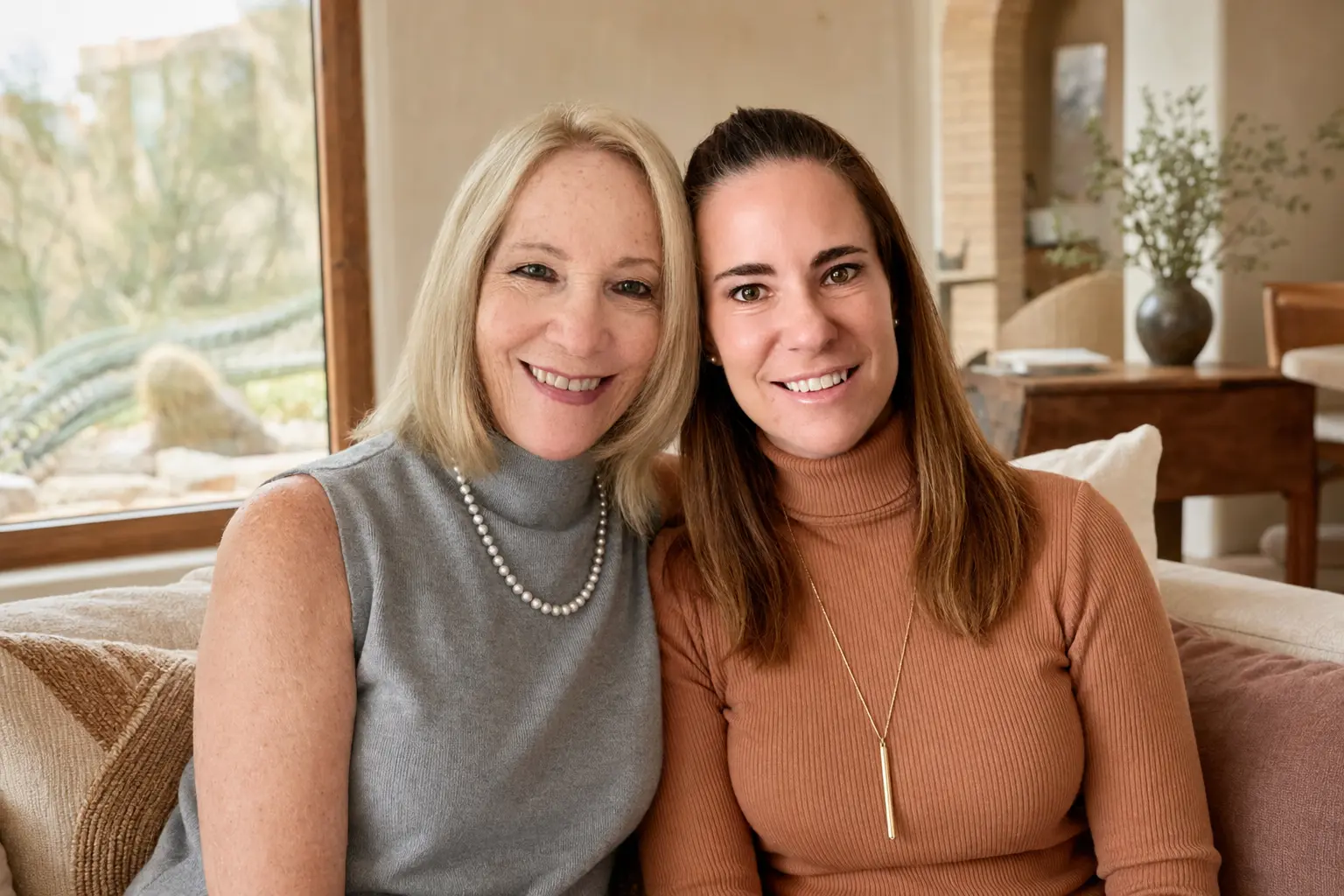
WHY LORI BUILT LONG PATHWAYS
A lifetime of belongings. A move no one feels completely ready for. Adult children helping from different cities. Decisions scattered through text messages, phone calls and a notebook on the kitchen counter.
Lori Grinnell saw that the families who navigated these transitions well were not always those with the easiest circumstances or the largest support network. They were the families with a clear plan, honest communication and a shared understanding of what would happen next.
She founded Long Pathways to create that structure. Her mother, Patricia Schmida, now advises the company as a board member—bringing the perspective of an active older adult and a committed advocate for senior citizens into the company’s decisions.
LORI GRINNELL · FOUNDER
Lori holds a Master of Science in Clinical Mental Health Counseling from Grand Canyon University and a bachelor’s degree from Arizona State University.
Her education shapes the way Long Pathways listens, frames difficult conversations and includes family members who may be helping from a distance. It also helps the team recognize that a disagreement about a dining table, photograph or heirloom may really be about grief, history, fairness or the fear of being left out.
Lori’s perspective is carried through a practical team method: assess the situation, document what matters, make decisions with the appropriate authority, coordinate the work and preserve a record of completion.
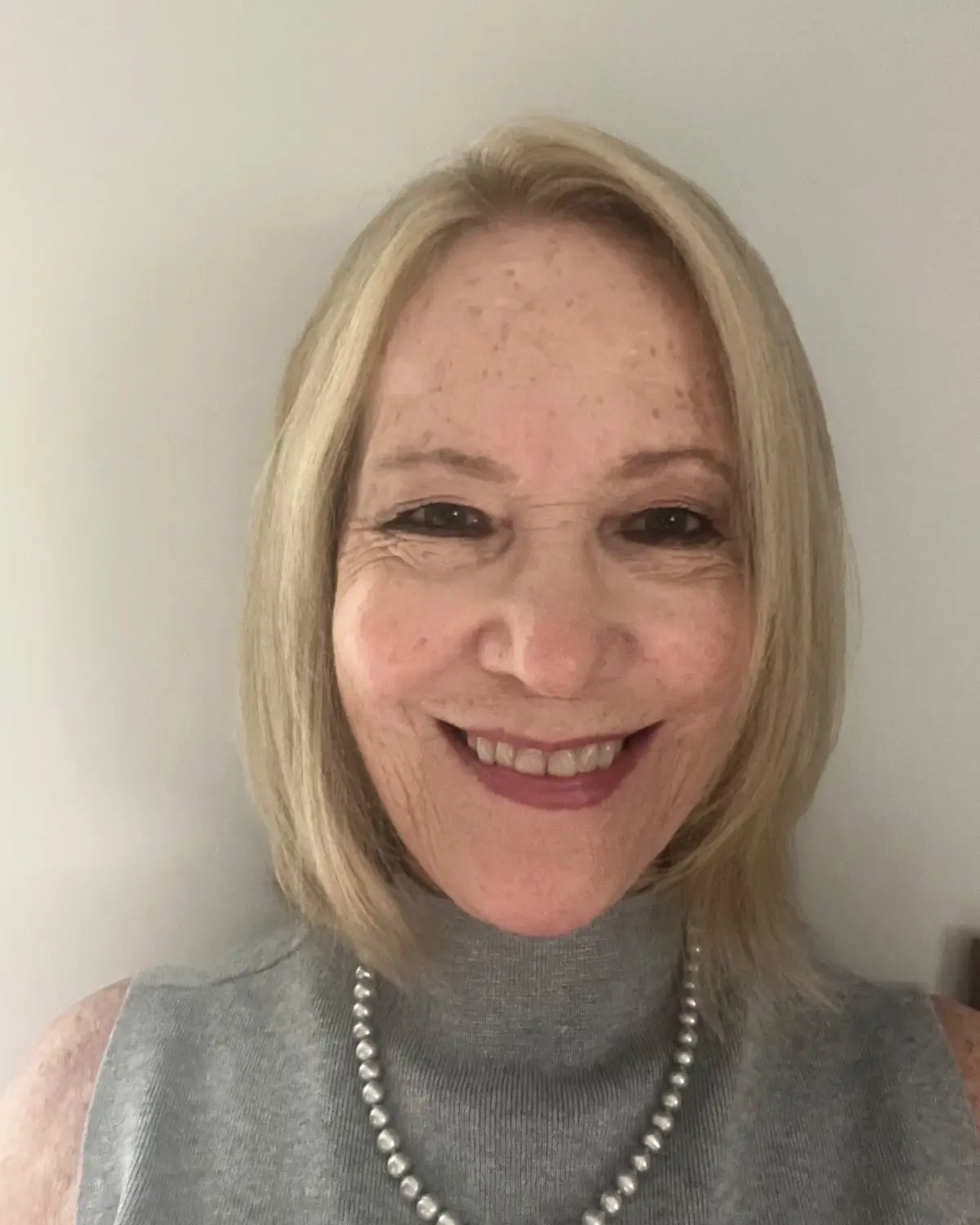
PATRICIA SCHMIDA · BOARD MEMBER
Patricia Schmida is Lori’s mother and a member of the Long Pathways board. As a senior-citizen advocate, she advises the company from the perspective of the older adults and families Long Pathways was created to serve.
Her guidance helps keep the company focused on what matters most: plain language, respectful choices, practical support and preserving an older adult’s voice throughout a household transition.
Patricia also reflects the active, full life that thoughtful planning is meant to protect. She enjoys skiing and spends her winters in Park City—bringing energy, independence and a distinctly personal understanding of why later-life transitions should support the life ahead, not simply manage the belongings left behind.
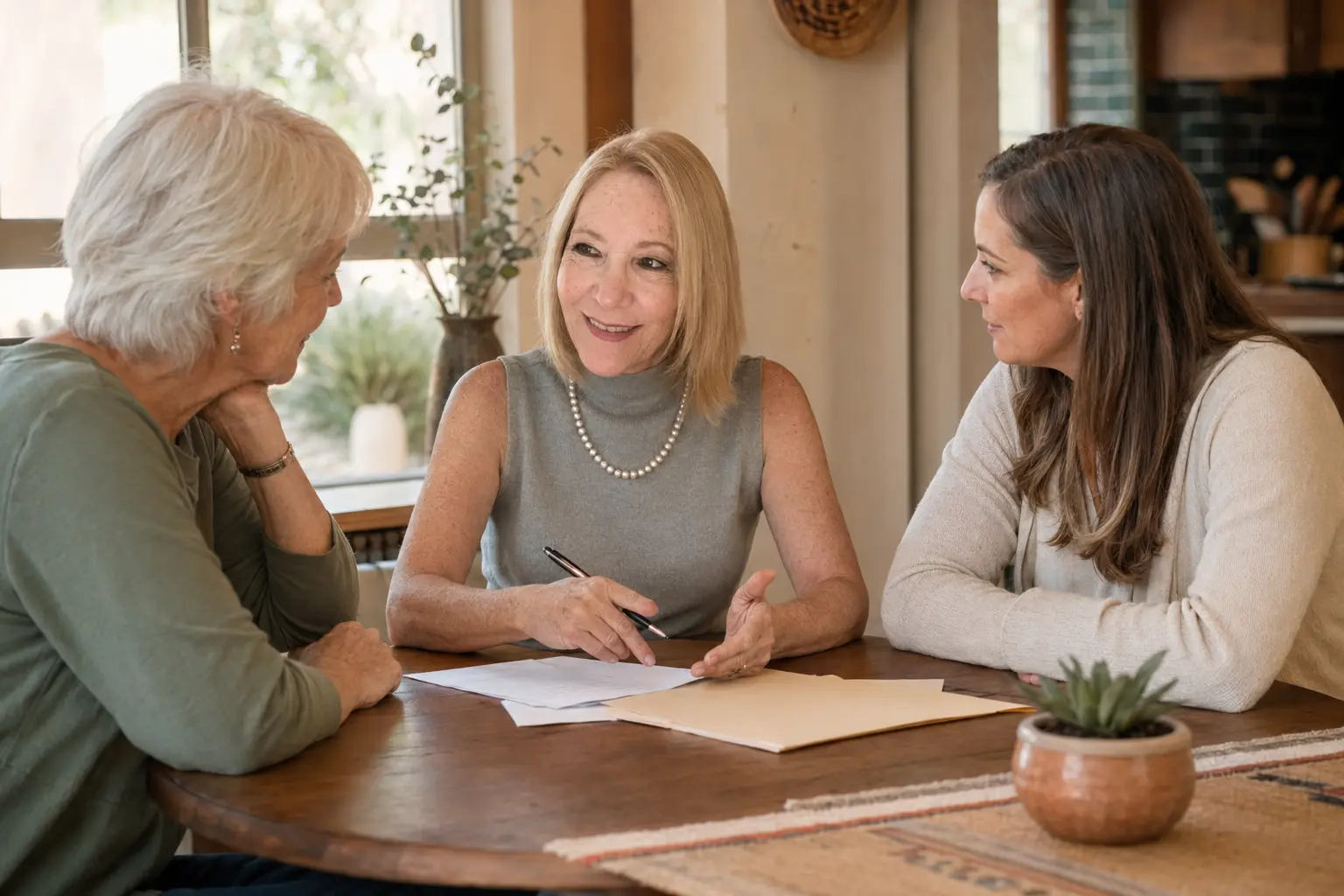
TWO GENERATIONS · ONE PURPOSE
Lori leads the work. Patricia advises the company. Together, their mother-daughter perspective reinforces a simple promise: Long Pathways will organize the project without losing sight of the person, family history and relationships inside it.
WHAT GUIDES THE WORK
The older adult, owner or properly authorized person remains central to consequential decisions.
Belongings, requests, approvals, dates and completion evidence stay connected in one record.
One coordinator follows the pathway so the family is not left managing disconnected providers alone.
A CLEARER FIRST STEP
Start by telling us what is happening. A transition coordinator can help identify the most useful next step without asking you to understand the entire system first.