 Accessible chapter guide · 3 minutes
Why Long Pathways exists
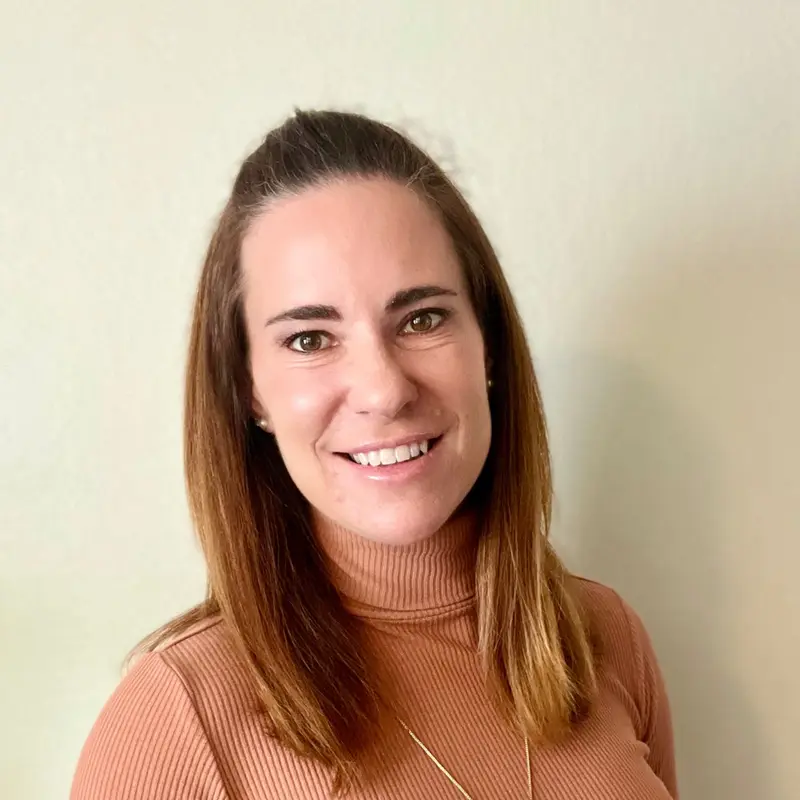
Lori Grinnell explains why shared facts, recorded decisions and calm human coordination change how families experience a transition.
The problem is rarely a lack of caring
Families often face a lifetime of belongings, an unwanted deadline and decisions scattered across calls, texts and notes. Stress grows because there is no shared place to see what is true and what still needs a decision.
- Acknowledge the human weight
- Create one shared source of truth
Read the complete transcript
The problem is rarely a lack of caring
Families often face a lifetime of belongings, an unwanted deadline and decisions scattered across calls, texts and notes. Stress grows because there is no shared place to see what is true and what still needs a decision.
Organization becomes relief
Every meaningful possession receives a pathway. Every important decision keeps a name, date, authority source and next action. When the facts are visible, families can stop debating what happened and begin deciding what should happen.
Guidance without taking control
Long Pathways coordinates and documents the transition. The owner or properly authorized person retains final decision-making authority, while outside professionals remain responsible for legal, tax, appraisal and other specialized advice.
A pathway forward
The work follows five understandable stages: Assess, Document, Decide, Coordinate and Complete. Families can begin with a standalone assessment or continue into the live Pathway Plan and coordinated services.