← Home

HOW LONG PATHWAYS WORKS

Five plain-language steps.One organized transition.

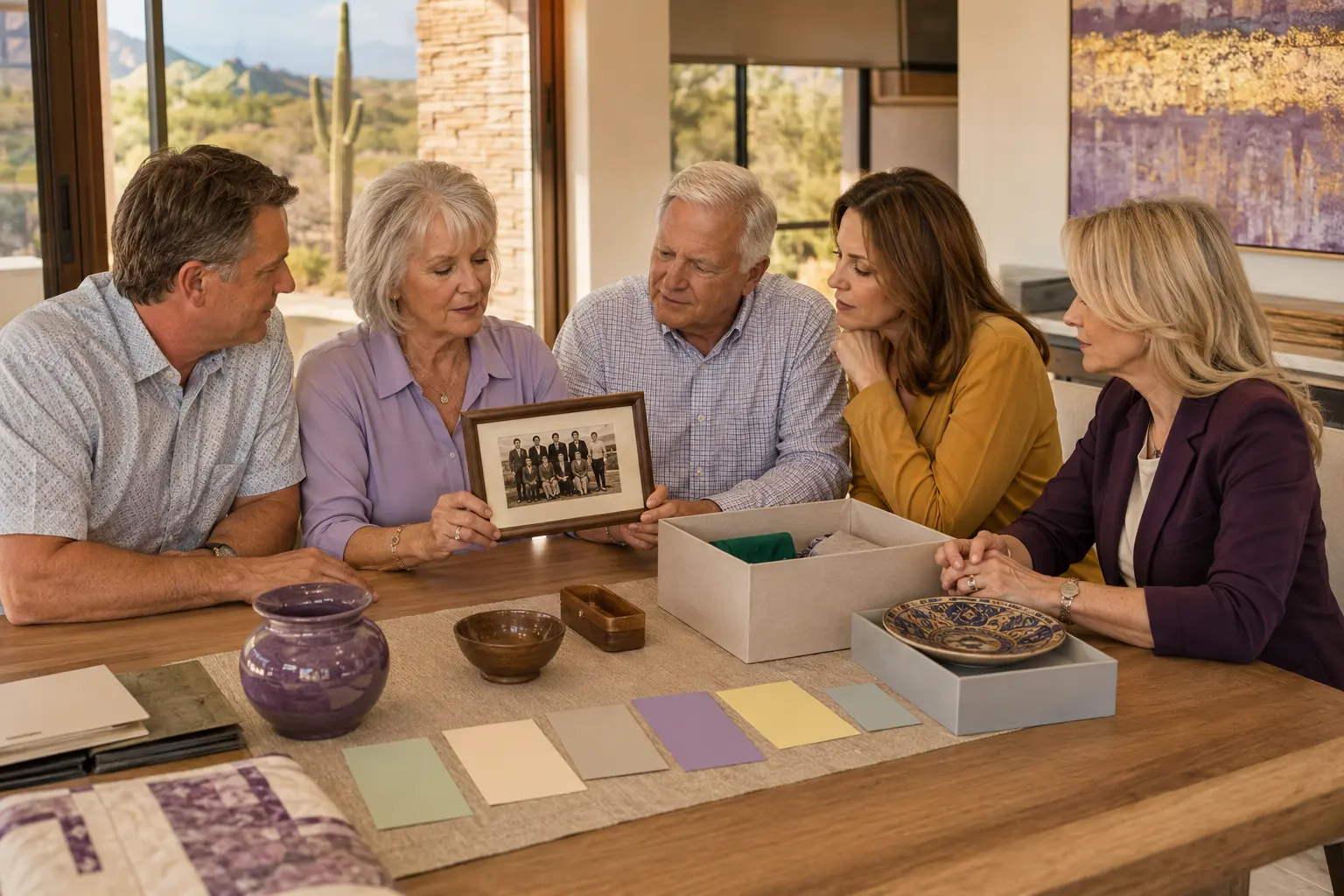
You do not need to learn a complicated system. Start by telling us what is happening; we then help organize the facts, decisions, work and completion record.

CHOOSE A STEP

Where are you in the process?

Tap any step for a straightforward explanation. You can begin at the step that matches your situation.

Assess: Tell us what is happening
STEP 01 · Assess

STEP 01 OF 05

Assess

Tell us what is happening

Understand the situation before work begins.

What we do
We identify the current circumstances, goals, people, authority, concerns, deadlines and restrictions that shape the transition.
What you decide
The owner or properly authorized person confirms priorities, decision authority and the meaning of a successful outcome.
What gets recorded
Established facts, information sources, unresolved questions, risks and the recommended sequence become the first version of the Pathway Plan.
Ready for the next step when
The situation has a clear scope, responsible people and an agreed next step.
Document: Gather the important facts
STEP 02 · Document

STEP 02 OF 05

Document

Gather the important facts

Create one shared source of truth.

What we do
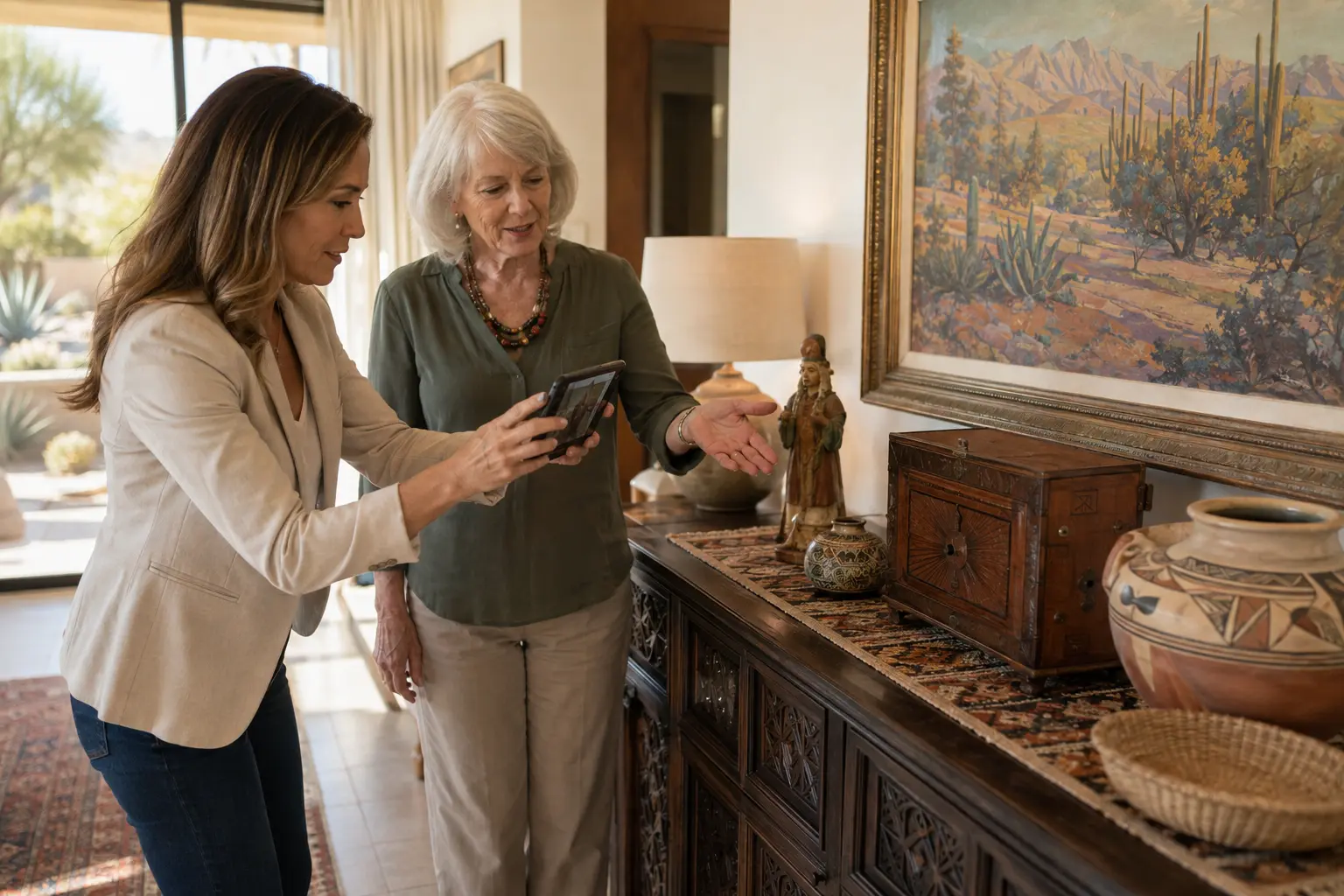
Rooms, belongings, photographs, documents, known directions and important household information are organized into connected records.
What you decide
The client identifies what matters, corrects missing information and decides who may see each part of the record.
What gets recorded
Every entry can show its source, responsible person, status, related documents and history rather than relying on memory or scattered messages.
Ready for the next step when
The people doing the work can see the same current, permission-appropriate information.
Decide: Choose what should happen
STEP 03 · Decide

STEP 03 OF 05

Decide

Choose what should happen

Give every meaningful possession a pathway.

What we do
Items move toward Keep, Family, Sell, Donate, Store, Ship or Dispose through proposals, review and attributed approval.
What you decide
The owner or properly authorized person makes the final decision. Family requests and recommendations remain separate from approval.
What gets recorded
The Decision Ledger™ preserves options, interested parties, authority, the final decision, responsible person and supporting evidence.
Ready for the next step when
Each reviewed item has a clear outcome or a visible reason that the decision remains pending.
Coordinate: Put the plan into action
STEP 04 · Coordinate

STEP 04 OF 05

Coordinate

Put the plan into action

Connect people, dates, services and approvals.

What we do
Long Pathways organizes tasks, appointments, vendors, family communication, fulfillment and outside professional involvement around the approved plan.
What you decide
The client approves consequential actions, costs, information releases and the professionals or providers they choose.
What gets recorded
Schedules, private messages, approvals, receipts, shipping, pickups and provider records remain connected to the household timeline.
Ready for the next step when
The approved work is scheduled, assigned and moving forward without one person carrying every detail.
Complete: Close the work with proof
STEP 05 · Complete

STEP 05 OF 05

Complete

Close the work with proof

Close the work with organized proof.

What we do
Open decisions, tasks, item pathways, expenses, documents and exceptions are reviewed before the transition is closed.
What you decide
The authorized person confirms that required work is finished and chooses which records may be released to family members or professionals.
What gets recorded
Completion photographs, receipts, acknowledgments, reports and the activity history form a dated closeout archive.
Ready for the next step when
The household has a defensible record of what happened, who approved it and what remains, if anything.

THE METHOD APPLIED TO BELONGINGS

See the seven outcomes available to each possession.

Explore seven pathways